
Which site would you like to visit?
By clicking the retail or wholesale site button and/or using rarewineco.com you are choosing to accept our use of cookies to provide you the best possible web experience.
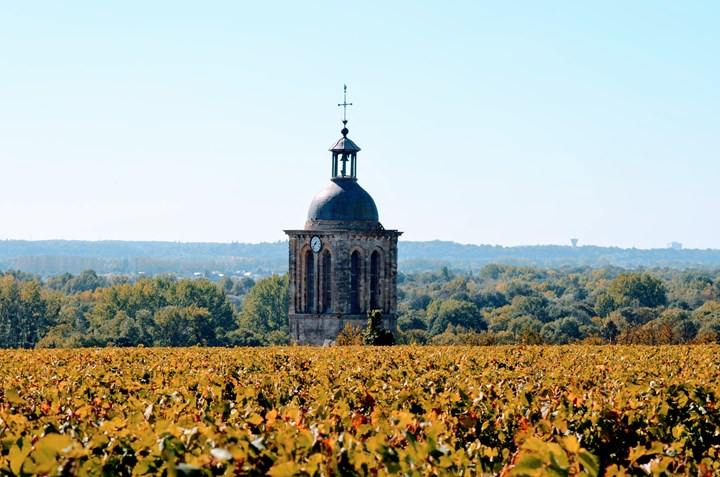
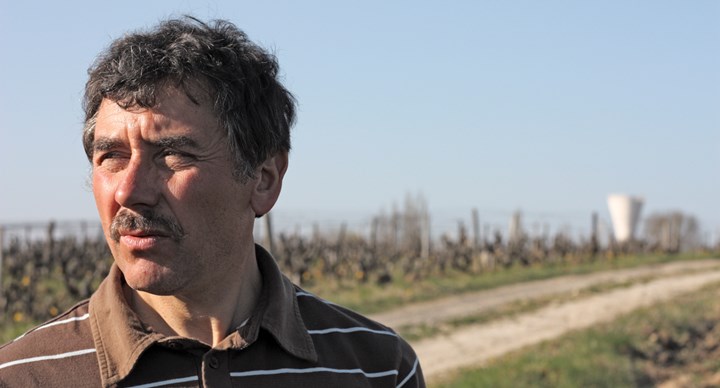
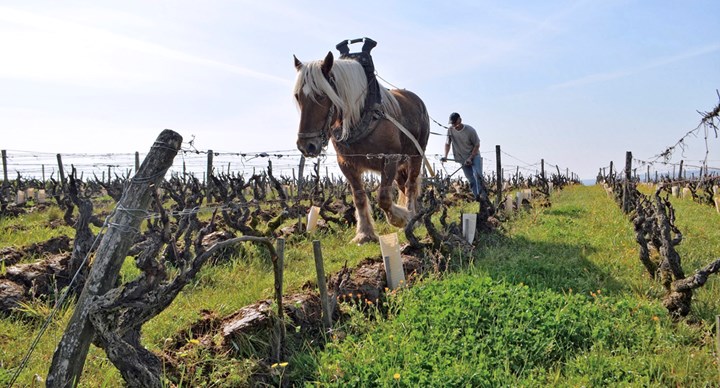
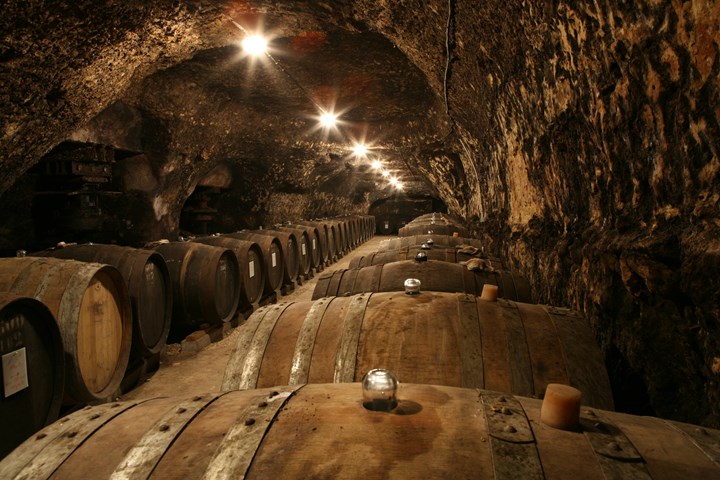
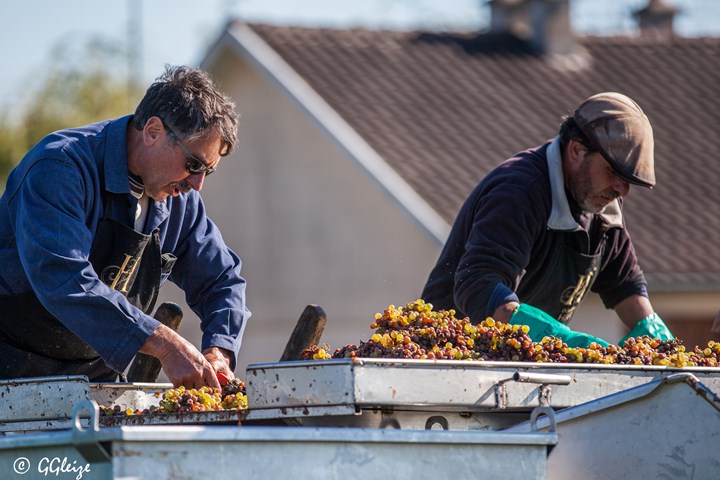
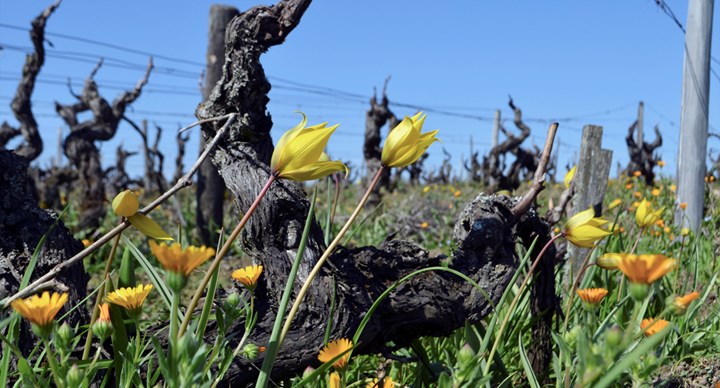
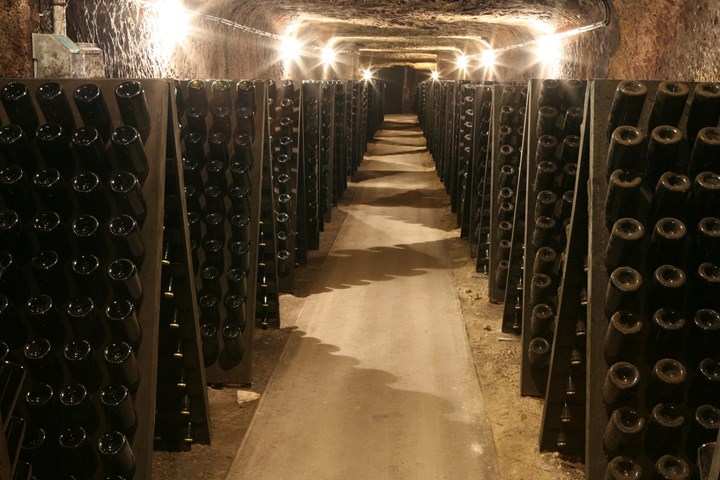
Since its founding in 1928, Vouvray’s Domaine Huet has been the standard-bearer for great, age-worthy Chenin Blanc. And to this day, year after year, the estate produces some of the world’s most compelling white wines—and in a remarkable range that spans sparkling, dry, semi-dry, and breathtaking dessert styles.
Chenin Blanc has been identified with Vouvray since at least the 9th century, and many of its great vineyards were known by the 14th century. By those standards, the 90+-year-old Huet estate is relatively young. Yet it was this youngster that established, once and for all, that Vouvray was capable of world-class quality.
The domaine’s founder, Victor Huët, was a Parisian bistro owner. However, with lungs and nerves shattered by his experiences in WWI, Victor re-settled to the town of Vouvray in France’s beautiful Loire Valley. He soon purchased the first of his great vineyards, Le Haut-Lieu, in 1928, and Domaine Huet was born.
Victor’s son Gaston (born 1910) worked with his father from the beginning and assumed full charge by 1937. With an obsessive devotion to quality, and an engaging showman’s personality, Gaston built the Huet legacy over the next 55 years, despite spending five years in a German POW camp during World War II.
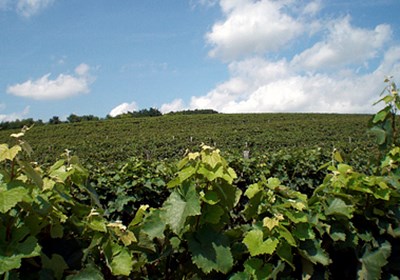
For all his salesmanship, Gaston understood clearly that quality must come first—and that quality started with great vineyards. His Le Haut-Lieu parcel, which lies on Vouvray’s “Première Côte” (or “first slope”), is home to virtually all the appellation’s acknowledged grand cru vineyards.
As the estate prospered in the post-WWII era, Gaston secured two additional prime vineyards on the Première Côte that would ensure the domaine’s stature: Le Mont (purchased in 1957) and Clos du Bourg (farmed since 1953, purchased in 1963). Collectively, these three vineyards, and the wines made from them, account for Huet being the greatest of all Vouvray producers.
Gaston was joined in 1971 by his son-in-law, Noël Pinguet, and in 1978 by chef de culture, Jean-Bernard Berthomé. Together, they crafted legendary wines from their three parcels—with the vineyards and nature dictating which grapes would become Sec, Demi-Sec, or Moelleux. The estate always held back significant stocks of older vintages, and these wines’ near immortality has helped to further the Huet legend.
In 2002, with Gaston ailing, a financial partner was needed to ensure the continuation of the estate’s rich legacy. Anthony Hwang, from New York, purchased a majority stake, and today his children reside at and direct the estate, ensuring that this benchmark producer has a strong future.
With Berthomé in charge of winemaking since 2012, the domaine may be making its most consistently great wines ever. It was one of the earliest adopters of biodynamics, and recent wines, perhaps more than any in the domaine’s history, achieve a fascinating level of transparency, purity, and knife-edged balance.
And, with the 2020 vintage, Vouvray native Benjamin Joliveau assumed responsibility for the estate’s wines. Starting as a part-time employee in 2003, and working full-time since 2009, Benjamin absorbed the fullness of Huet’s heritage from his two predecessors. And so, Benjamin and the Hwang family ensure that Gaston Huet’s legacy and philosophy will be passed on to future generations.
As previously mentioned, at their discretion, the estate produces Sec, Demi-Sec, Moelleux, or Moelleux 1ère Trie (“first selection”) from any of the three principal vineyards. A superb sparkling Pétillant is also made, drawing grapes from all three vineyards, as well as from other small parcels on the estate.
Le Haut-Lieu—The original Huet vineyard is nearly 9 hA. It has the richest soils of the domaine’s three crus—a deep limestone-clay—and the wines are generally the estate’s most approachable. In some vintages, small quantities from nearby estate parcels may be added to Le Haut-Lieu.
Le Mont—For many insiders, the argument over Vouvray’s greatest vineyard comes down to two sites: Le Mont and Clos du Bourg. Undisputedly a grand cru vineyard, Le Mont enjoys a choice site on the Première Côte. With less clay and more stone than Le Haut-Lieu, Le Mont yields young wines of intense minerality. With age, the wines develop great length and finesse.
Clos du Bourg—Gaston Huet believed this to be the greatest of all Vouvray vineyards. With the Première Côte’s shallowest, stoniest soils, its wines often synthesize Le Mont’s intense minerality with Le Haut-Lieu’s generous texture.
Cuvée Constance—Since 1989, the estate has also produced this magical, botrytized dessert wine selected from one, two or all three vineyards. When made, the Cuvée Constance (named for Gaston’s mother) ranks among the world’s greatest dessert wines.
| Year | Description | Size | Notes | Avail/ Limit |
Price | |
|---|---|---|---|---|---|---|
 2006
2006
|
2006 Huet Vouvray Moelleux 1ere Trie Clos du Bourg |
JG93 / JS95 / JROB17/20 / JG93 / WD17.5/20 / WD17.5+/20 / JG94 Read Notes |
1* | $134.95 | add | |
|
2022
|
2022 Huet Vouvray Moelleux Le Haut Lieu |
VM93 / JG94+ Read Notes |
1* | $59.95 | add | |
|
2014
|
2014 Huet Vouvray Petillant Brut 1.5 L | 1.5 L |
AG93 / JG92 / AG93 / JG92 / AG93 / JG92 / AG90 Read Notes |
2* | $79.95 | add |
|
1985
|
1985 Huet Vouvray Sec Le Haut Lieu (ex-domaine 2011) 375 mL | 375 mL | 1* | $95.00 | add |
 Article
 Press
Press

New discoveries, rare bottles of extraordinary provenance, limited time offers delivered to your inbox weekly. Be the first to know.
Please Wait
Adding to Cart.
...Loading...
By clicking the retail or wholesale site button and/or using rarewineco.com you are choosing to accept our use of cookies to provide you the best possible web experience.